Driving Licence in Germany: Everything You Need to Know A driving licence is an important...
Weiterlesen

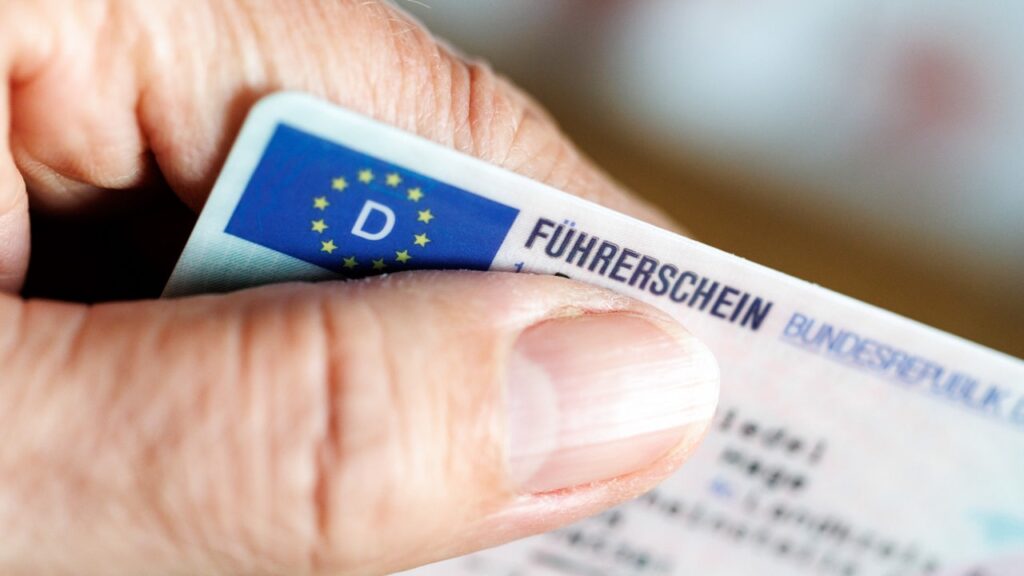

Driving Licence in Germany: Everything You Need to Know A driving licence is an important...
Weiterlesen
Rijbewijs kosten in Duitsland: een compleet overzicht Wie in Duitsland zijn rijbewijs wil halen, vraagt...
WeiterlesenFinding the right driving school Germany is one of the first and most important decisions you will make when applying for a German driving licence.
Germany has a structured driver-training system in which applicants receive theoretical and practical instruction before completing the required examinations. For most first-time licence applicants, both a theory examination and a practical examination are required. These examinations are conducted by officially recognised examiners.
For international residents, the process can initially seem complicated. Terms such as Fahrschule, Fahrlehrer, Fahrerlaubnis, Theorieunterricht and Fahrstunden may be unfamiliar.
This guide explains how a driving school in Germany works, what training normally involves, what to consider when choosing a Fahrschule, how theory and practical lessons fit into the licensing process, and how to prepare for your examinations.
For additional German driving licence information, visit FahrenExperten.
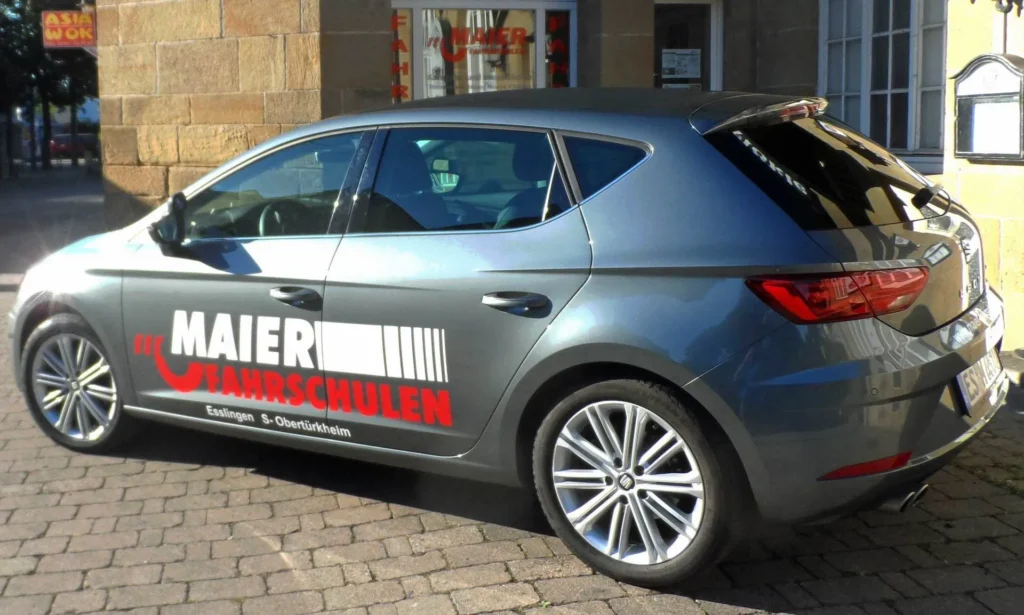
A German driving school, known locally as a Fahrschule, provides professional driver training to people preparing for a driving licence.
Driving schools operate within a regulated legal framework. German law requires people who train driving students professionally to have the appropriate instructor authorisation. The Fahrlehrergesetz specifies the classes for which instructor licences may be issued.
A driving school can provide:
The type and scope of training depend on the licence category you are seeking.
For someone applying for a standard Class B car licence, the process generally follows a structure similar to:
Choose a Fahrschule → Register → Complete theory training → Submit licence application → Prepare for theory exam → Pass theory exam → Complete practical training → Pass practical exam → Receive driving licence
The precise administrative process can vary according to your circumstances and local authority.
German law generally requires an applicant to demonstrate competence through a theoretical and practical examination.
That means choosing a good driving school is not simply about finding somewhere to take driving lessons. Your Fahrschule becomes an important part of your preparation for both examinations.
Not every driving school will be equally suitable for every student.
When comparing driving schools in Germany, consider:
A good instructor should explain mistakes clearly rather than simply telling you what you did wrong.
If German is not your first language, communication can be particularly important.
Ask whether instructors can communicate effectively in English or another language you understand.
A driving school may have excellent instructors but limited appointment availability.
Ask how quickly you can normally obtain practical lessons.
A Fahrschule near your home, workplace or university can make attending theory lessons and driving appointments much easier.
If you have a preference for manual or automatic transmission, confirm which vehicles the school offers.
Do not compare schools solely by the price of one driving lesson. Consider the entire cost structure.
A comprehensive driver-training programme combines theoretical knowledge with practical driving skills.
Theory instruction introduces students to subjects such as:
The German theory examination itself covers traffic regulations, environmentally conscious and energy-efficient driving, hazards and technical principles relevant to road safety.
For more information, read our German Theory Test guide.
Practical lessons are where students develop the ability to control and operate a vehicle safely in real traffic.
Your driving instructor may help you develop skills including:
The objective is not simply to make the car move. You need to develop safe and independent driving behaviour.
The practical examination assesses whether the applicant has the technical knowledge and ability to apply it safely in traffic, including environmentally conscious and energy-efficient driving.
For a standard Class B licence, practical training can include specific categories of required special drives.
These commonly involve experience on:
The purpose is to expose learners to different traffic environments and driving conditions.
Your instructor can determine when you are ready for these lessons based on your progress and the applicable training requirements.
Before taking the theory examination, students normally attend the required theory instruction at their driving school.
The theory component is important because driving safely requires an understanding of traffic rules—not merely the ability to control a vehicle.
You should become comfortable with:
Know what signs mean and what actions they require.
Understand who has priority at different types of intersections.
Know how traffic signals interact with signs and other road users.
Understand both legal speed limits and the principle of adapting speed to road conditions.
Learn how weather, visibility, pedestrians, cyclists and road conditions affect driving risk.
Understand basic safety-related vehicle systems.
Understand how driving behaviour can affect fuel consumption, energy use and emissions.
A good driving school Germany experience should prepare you systematically for the theory test.
However, you should also study independently.
A useful preparation cycle is:
Theory lesson → Study → Practice questions → Review mistakes → Repeat
Do not simply memorise answers.
Try to understand why an answer is correct.
This is particularly important when questions describe unfamiliar traffic situations.
For additional preparation, explore our German Theory Test and German Driving Exam resources.
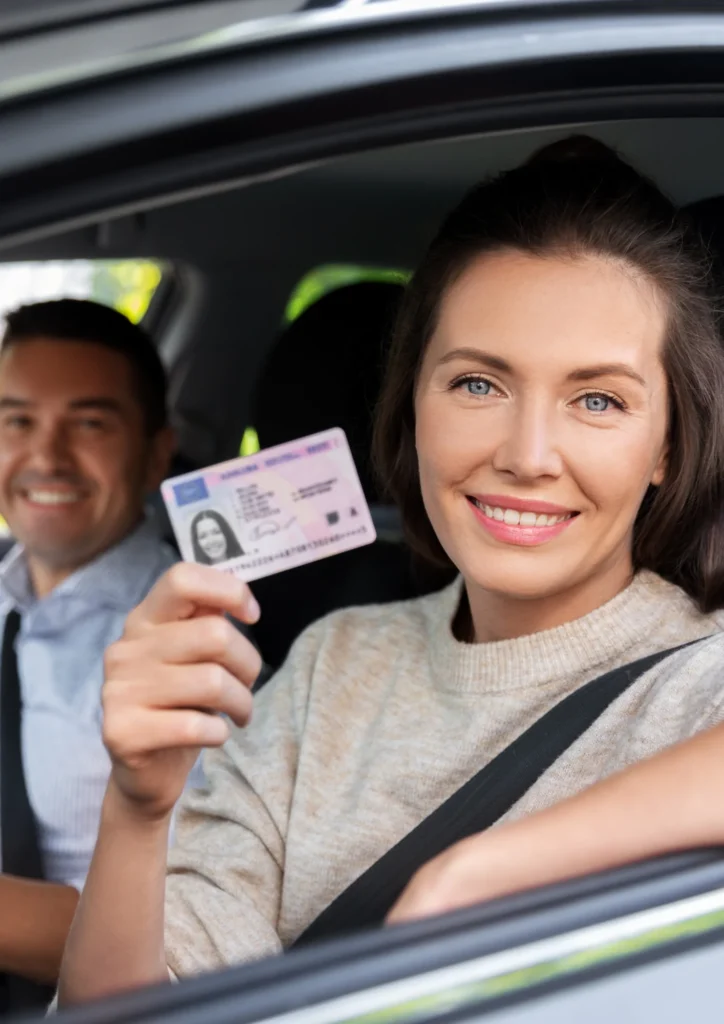
For international residents, language is an important consideration when selecting a driving school Germany.
The official theory examination can be offered in several foreign languages, including English. The permitted languages include English, French, Greek, Italian, Polish, Portuguese, Romanian, Russian, Croatian, Spanish, Turkish and Standard Arabic.
However, theory-exam language and driving-school instruction are not necessarily the same thing.
A school may offer theory support in English while practical lessons are primarily conducted in German.
Therefore, ask the Fahrschule directly:
For international applicants, this can make a significant difference.
The cost of attending a driving school in Germany varies considerably.
Your total cost may include:
One of the biggest variables is the number of practical lessons you need.
A student who becomes comfortable with vehicle control quickly may require fewer lessons than someone who needs additional practice.
For more information, see our Führerschein Kosten guide and Führerschein Kosten 2026 article.
When comparing driving school Germany prices, it is tempting to select the Fahrschule with the lowest advertised lesson price.
That can be misleading.
Suppose:
School A: Lower lesson price but significantly more lessons required.
School B: Slightly higher lesson price but better scheduling, instruction and student progress.
The final cost may not favour School A.
Instead of comparing only the hourly price, compare the complete pricing structure.
Ask about:
For a broader comparison, visit our Führerschein Preisvergleich guide.
Choosing a Fahrschule requires more than searching Google for the cheapest option.
Use the following checklist.
Choose a school that is convenient for your daily routine.
This is particularly important for international learners.
Ask for a complete price list rather than relying on one advertised lesson price.
Ask how frequently you can realistically book practical lessons.
Check whether the school provides manual and/or automatic vehicles according to your needs.
Ask how theory lessons, practical lessons and special drives are organised.
Look for consistent reviews and feedback, while remembering that online reviews should be considered alongside other information.
A professional driving school should be willing to explain its pricing, training structure and policies clearly.
One of the first decisions you may face is whether to learn in a manual or automatic vehicle.
Automatic cars can make vehicle control easier for some learners because there is no conventional clutch and gear-changing process.
Manual transmission, however, provides broader experience with traditional vehicles.
Germany also has licence codes and restrictions relating to the type of vehicle used during training and examination, so you should discuss your intended licence entitlement with your Fahrschule before choosing a training vehicle.
If you are uncertain, ask:
Will my driving licence allow me to drive both manual and automatic vehicles?
Your driving school should explain the applicable licence conditions for your individual training route.
Germany has a large international student and expatriate population, and many newcomers eventually need or want to drive.
If you are an international student, consider:
Do not automatically enrol in a full German driving programme before checking whether your existing licence qualifies for recognition or exchange.
For more information, visit our Foreign Driving Licence Germany guide.
If you hold a driving licence issued by an EU or EEA country, different rules can apply compared with licences issued outside Europe.
You may not need to obtain a completely new German licence simply because you move to Germany.
Before registering with a driving school Germany, investigate whether your existing EU/EEA licence is already recognised.
See our EU Driving Licence guide for related information.
If your licence was issued outside the EU/EEA, the requirements can be different.
Germany has country-specific provisions for certain foreign licences. Annex 11 of the FeV sets out examination requirements for licences from listed countries, including whether theory and/or practical examinations are required.
Depending on the country and circumstances, you may therefore need:
This is why determining your individual situation before registering with a driving school is important.
Read our Führerschein Umschreiben Deutschland guide for more information.
There is no universal number of driving lessons that guarantees readiness for the practical examination.
Different students progress at different speeds.
Your training time can depend on:
Someone who has never driven before may need considerably more training than someone with extensive experience.
The goal should not be to complete training as quickly as possible.
The goal is to become a safe, competent and independent driver.
Your instructor can have a major impact on your learning experience.
A good instructor should:
Professional driver instructors are subject to statutory licensing requirements. For example, German law sets requirements relating to age, suitability, professional qualification, previous driving experience and instructor training.
A Fahrschule itself also requires an appropriate licence to operate.
Before registering, ask the following questions:
Getting these answers before signing up can prevent misunderstandings later.
Here is a simple roadmap for a new applicant.
For a normal passenger car, this will generally be Class B.
Review age and other applicable requirements. For Class B, the standard minimum age is 18, with certain routes allowing driving from 17 under specified conditions.
If you do, investigate recognition or exchange rules first.
Compare location, instructors, languages, availability and pricing.
Complete the driving school’s enrolment process.
Attend the required theoretical instruction.
Use practice questions and review your mistakes.
Once properly prepared, take the official theory examination.
Build the skills required for safe independent driving.
Your instructor and the applicable examination requirements determine when you are ready.
After successfully completing the required process, you can receive your German driving licence.
The cheapest lesson does not necessarily mean the cheapest overall licence.
A school with a long waiting list can significantly extend your training timeline.
This can be especially problematic for international students.
Always understand the full fee structure before registering.
Trying to minimise lesson numbers at the expense of competence can increase the risk of examination failure.
Some foreign licence holders may have a simpler exchange route than obtaining a new licence from scratch.

A driving school is called a Fahrschule in German.
For most first-time applicants, professional driver training through the German driving-school system is an important part of obtaining the licence. The exact training requirements depend on the licence category and individual circumstances.
There is no single nationwide total. Costs depend on the school, location, number of lessons, special drives, examinations and other fees. Read our Führerschein Kosten guide for more information.
This depends on the individual Fahrschule and instructor. The official theory examination can be offered in English, but you should confirm whether your chosen driving school provides English-language instruction and practical lessons.
There is no single number that applies to every learner. Training requirements and the number of additional lessons depend on the licence category and the student’s competence.
Yes. Foreign residents can attend driving schools in Germany, subject to the applicable requirements for obtaining a driving licence.
Possibly. Recognition and exchange rules depend on the country that issued the licence and your circumstances. Certain foreign licences may be exchanged under specific conditions.
A Fahrschule is the driving school, while a Fahrlehrer is an authorised driving instructor. German law separately regulates instructor and driving-school authorisations.
Choosing the right driving school Germany is an important decision that can influence your learning experience, preparation time and overall driving-licence costs.
A good Fahrschule should provide structured theory instruction, professional practical training, transparent pricing and instructors who can help you develop safe, independent driving habits.
Before registering, compare more than just the advertised lesson price. Look at instructor quality, location, lesson availability, language support, vehicle options, fees and the school’s overall training structure.
If you are an international resident, first determine whether you actually need a completely new German driving licence. Depending on your existing licence and country of issue, recognition or exchange may be possible.
For more information about driving school Germany, German driving licences, theory examinations, practical tests, costs and foreign licence requirements, explore the comprehensive resources available at FahrenExperten.
Driving Licence in Germany: Everything You Need to Know A driving licence is an important...
Weiterlesen
Rijbewijs kosten in Duitsland: een compleet overzicht Wie in Duitsland zijn rijbewijs wil halen, vraagt...
Weiterlesen