Driving Licence in Germany: Everything You Need to Know A driving licence is an important...
Weiterlesen


Driving Licence in Germany: Everything You Need to Know A driving licence is an important...
Weiterlesen
Rijbewijs kosten in Duitsland: een compleet overzicht Wie in Duitsland zijn rijbewijs wil halen, vraagt...
WeiterlesenA European driving licence makes it easier for motorists to drive across European countries and is particularly important for people who move between EU Member States.
If you have a driving licence issued by an EU or EEA country and plan to live, work, study or travel in Germany, you may be wondering whether your licence remains valid, whether you need to exchange it for a German licence and whether you have to take another driving test.
In general, a valid driving licence issued by an EU or EEA Member State is recognised in Germany within the scope of the entitlement. German law contains specific provisions governing the recognition of EU and EEA driving licences.
This guide explains the most important rules surrounding a European driving licence in Germany, including recognition, validity, residence requirements, categories, renewal and exchange.
For additional information about driving licences and driving in Germany, visit FahrenExperten.
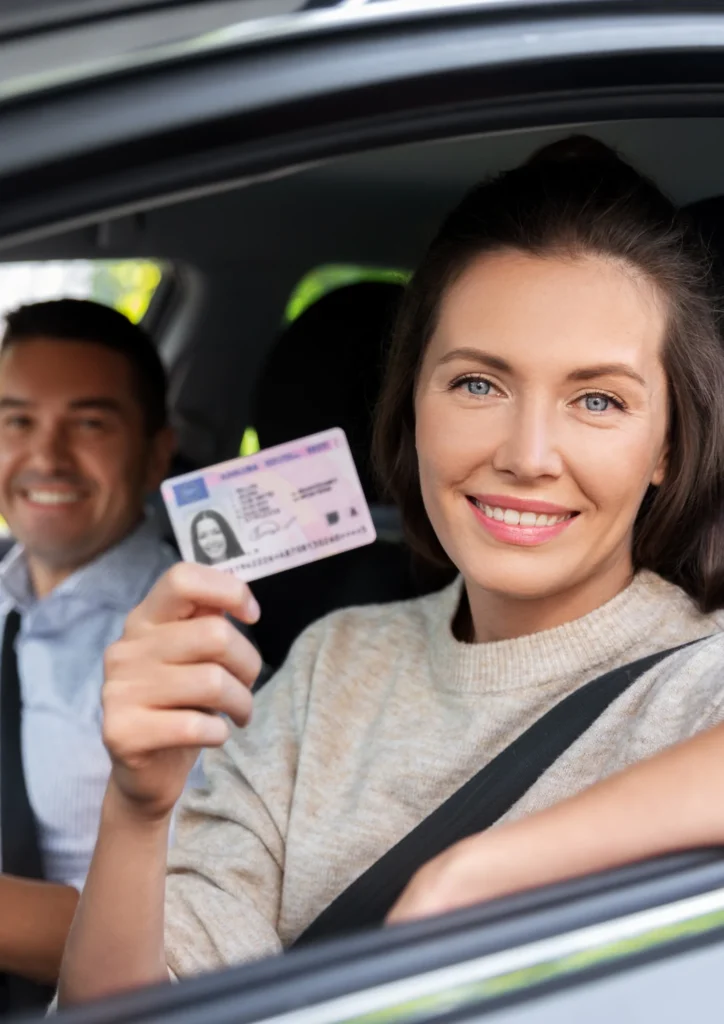
The term European driving licence is commonly used to describe a driving licence issued by a country belonging to the European Union or, in many contexts, the European Economic Area.
European driving licences follow a broadly harmonised format and use standardised vehicle categories.
Common categories include:
For most private drivers, Category B is the most relevant.
You can learn more about the German Category B licence in our guide to Führerschein Klasse B.
In most ordinary circumstances, yes.
A valid EU or EEA driving licence is generally recognised in Germany, provided that the holder has a valid driving entitlement and the licence falls within the scope of the German recognition rules.
This means that someone who has obtained a valid driving licence in another EU country does not normally have to start the German licensing process again simply because they move to Germany.
For example, a person holding a valid:
can generally use that licence in Germany, provided the relevant legal requirements are met.
One of the most common questions is whether moving to Germany automatically means that an EU driving licence must be exchanged.
Generally, it does not.
A valid EU or EEA driving licence is normally recognised after moving to Germany. German regulations specifically provide for the recognition of qualifying EU and EEA driving licences.
However, an exchange may become relevant in certain situations.
For example:
Therefore, recognition does not necessarily mean that you will never need a German driving licence document.
For a broader explanation of conversion procedures, read our guide to driving licence exchange in Germany.
Your normal residence is an important concept in European driving-licence law.
EU rules generally use a combination of residence and personal or occupational connections to determine where a person normally lives. In many circumstances, normal residence is associated with living in a country for at least 185 days per calendar year. Special rules can apply to students and people whose personal and professional connections are located in different countries.
Why does this matter?
Because European driving-licence rules are not designed to allow people to simply choose whichever country they prefer for obtaining a driving licence.
If you normally live in Germany, for example, you generally cannot assume that you can travel to another European country solely to obtain a driving licence there without satisfying that country’s residence requirements.
Suppose you obtained your driving licence in France and later moved permanently to Germany.
In the ordinary situation, you can continue using your valid French driving licence in Germany.
You normally do not need to:
The recognition framework exists precisely to facilitate movement between European countries.
However, you should always check your licence’s validity, categories and restrictions.
If you are interested in obtaining a German driving licence from the beginning, see our guide to getting a driving licence.
A European driving licence is not necessarily valid indefinitely.
The expiry date and administrative validity depend on the licence category and the issuing country’s rules within the European framework.
For standard private vehicle categories, such as Category B, modern EU driving licences generally have administrative validity periods rather than being issued indefinitely.
Professional categories can have different validity periods and may be subject to additional medical or other requirements.
This means that European drivers living in Germany should check:
The European Commission explains that when a driving licence expires after its holder has moved to another EU country, renewal is generally handled by the country where the holder has their normal residence.
This is particularly important for people who have lived in Germany for several years.
If you originally obtained your driving licence in another EU country but now have your normal residence in Germany, renewal may need to be handled through the German authorities when the licence expires.
EU guidance explains that, after moving to another EU country, the country of normal residence generally becomes responsible for renewal when the licence expires.
The precise procedure can depend on:
A European driving licence is not simply an internationally available licence that anyone can obtain by applying online.
European driving-licence rules contain residence requirements.
As a general principle, applicants must have their normal residence in the country issuing the licence, subject to specific exceptions such as certain student situations.
This is an important point for anyone searching online for a “European driving licence.”
A legitimate European driving licence should be issued through the competent authority of the relevant country and according to its legal requirements.
Be particularly cautious about websites promising:
A legitimate driving licence is an official government document and should be obtained through the appropriate legal process.
European driving licences use harmonised categories to make driving entitlements easier to understand across borders.
This category generally covers mopeds and certain light four-wheeled vehicles.
A1 covers certain light motorcycles.
A2 covers motorcycles within specified power limitations.
A covers motorcycles without the restrictions applicable to lower motorcycle categories, subject to the applicable requirements.
Category B is the standard passenger-car licence.
BE applies to certain combinations involving a Category B vehicle and trailer.
C covers certain heavy motor vehicles.
D covers buses and certain passenger vehicles.
The exact entitlement always depends on the category, restrictions and applicable national rules.
For more information, visit our driving licence information page.
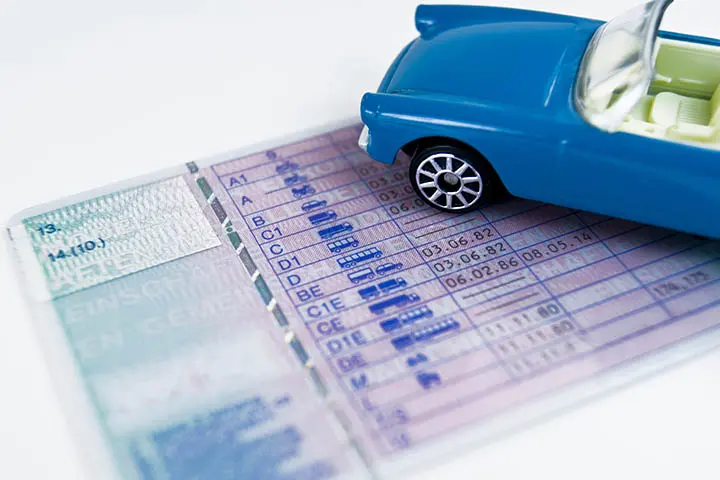
For ordinary motorists, Category B is usually the most important European driving licence category.
A valid Category B licence issued by another EU Member State is generally recognised in Germany.
This can be especially useful for people who:
If you already have a valid European Category B licence, you generally do not need to repeat the complete German driving test simply because you have moved to Germany.
Read our article about Category B driving licences for more information.
If you already have a valid European driving licence, you generally do not need to repeat the German theory and practical examinations merely because you move to Germany.
This is different from someone applying for their first driving licence.
A new German applicant normally has to complete the relevant training and examination requirements, while an existing EU/EEA licence holder benefits from the European recognition system. German law contains specific provisions for EU/EEA licence holders.
If you are applying for your first German licence, you can learn more about the theory driving test and practical driving test.
Although EU and EEA licences are generally recognised, recognition is subject to legal conditions.
German law includes exceptions concerning certain licences, including situations involving:
German authorities can also take action where the relevant legal requirements are not satisfied.
The European Court of Justice has dealt with cases involving the recognition of EU driving licences and the relationship between the issuing state’s residence requirements and another Member State’s restrictions.
Consequently, the statement “all European driving licences are automatically valid everywhere” is too broad.
Your European driving licence may contain restriction codes.
These codes can indicate requirements or limitations relating to:
These restrictions remain relevant when you drive in Germany.
German regulations specifically state that conditions and restrictions associated with recognised EU/EEA driving licences must be observed.
Always check the codes printed on the back of your licence.
Having a European driving licence does not mean that you can ignore German traffic regulations.
Once you are driving in Germany, you must follow German road-traffic laws.
This includes rules concerning:
A European licence gives you a recognised driving entitlement; it does not exempt you from the laws of the country in which you are driving.
A European driving licence also does not protect a driver from a German driving ban.
If you commit a serious traffic offence in Germany, German authorities can impose measures affecting your right to drive within Germany.
Depending on the circumstances, this can include:
Therefore, drivers with European licences should treat German traffic regulations just as seriously as German licence holders.
There are circumstances in which exchanging a European driving licence for a German licence can be useful or necessary.
The process may involve:
For ordinary EU/EEA licences, an exchange does not automatically mean that the holder must retake the driving test.
German law specifically regulates the issuance of German licences to holders of EU/EEA licences.
For related information, visit our guide to foreign driving licence exchange.
There is an important difference between a European driving licence and a licence issued by a country outside the EU/EEA.
A valid EU/EEA licence is generally recognised in Germany.
Different recognition and conversion rules can apply.
Depending on the country of issue, a non-EU licence may require:
This distinction is particularly important for international residents.
Read our guide to the foreign driving licence in Germany to learn more.
A European driving licence should not be confused with an International Driving Permit (IDP).
An International Driving Permit is generally a supplementary document used when driving in certain countries outside the normal European recognition framework.
It does not replace the underlying driving licence.
If you plan to drive outside the EU, check the rules of the country you are visiting before travelling.
You can also read our guide to the international driving licence.
If your European driving licence is lost or stolen while you are living in Germany, do not simply assume that any German authority can immediately replace it.
The correct procedure can depend on:
Contact the competent authority as soon as possible and keep any available evidence of your licence details.
For information about replacing a German licence, see our guide to lost driving licence.
If you already hold a European driving licence and are simply using it in Germany, you generally do not have to pay the costs associated with obtaining a completely new German licence.
However, administrative costs may arise if you need to:
The cost of obtaining a completely new German driving licence is different because it can include driving-school lessons, examination fees, administrative fees and other expenses.
Read our detailed guide to driving licence costs.
Always check the expiry date.
Restriction codes are legally relevant and should not be ignored.
A European licence does not override German traffic-law measures.
They are different documents with different purposes.
A genuine European driving licence is issued through an authorised national system. Be extremely cautious about websites offering licences without the legally required procedures.
European licensing rules contain important residence provisions.
Generally, yes. A valid EU or EEA driving licence is normally recognised in Germany within the scope of the driving entitlement and subject to applicable exceptions.
Not normally just because you moved to Germany. A valid EU/EEA licence is generally recognised.
Generally yes, assuming the licence is valid and no specific legal exception applies.
Generally yes. A valid Spanish EU driving licence is normally recognised in Germany.
Generally yes, provided the licence is valid and the applicable recognition requirements are satisfied.
Generally not if you already hold a valid EU/EEA driving licence. You normally do not need to repeat the entire German licensing process merely because you relocate.
Yes, depending on the circumstances. German regulations provide procedures for holders of EU/EEA driving licences.
If Germany is your normal residence, renewal will generally be handled in Germany under the applicable rules. EU guidance states that licence renewal normally takes place in the country of normal residence when a person has moved to another EU country.
In everyday usage, European driving licence is often used as a broad term for a driving licence issued within the EU/EEA framework. “EU driving licence” is more precise when referring specifically to licences issued by EU Member States.
A European driving licence provides important advantages for people who live, work and travel across Europe.
For drivers moving to Germany from another EU or EEA country, the key point is that a valid European driving licence is generally recognised without requiring the holder to repeat the entire German driving-licence process.
Nevertheless, drivers should pay attention to:
If you already have a European driving licence and are moving to Germany, understanding these rules can help you avoid unnecessary administrative problems.
For more information, explore the driving-licence resources available at FahrenExperten, including driving licence information, Führerschein Klasse B, Führerscheinprüfung, Führerschein Kosten, Führerschein umschreiben, foreign driving licence and international driving licence.
Driving Licence in Germany: Everything You Need to Know A driving licence is an important...
Weiterlesen
Rijbewijs kosten in Duitsland: een compleet overzicht Wie in Duitsland zijn rijbewijs wil halen, vraagt...
Weiterlesen