Driving Licence in Germany: Everything You Need to Know A driving licence is an important...
Weiterlesen



Driving Licence in Germany: Everything You Need to Know A driving licence is an important...
Weiterlesen
Rijbewijs kosten in Duitsland: een compleet overzicht Wie in Duitsland zijn rijbewijs wil halen, vraagt...
WeiterlesenGetting a driving licence Germany is an important step for anyone who wants to drive legally in the country. Whether you are a German resident, an international student, an expatriate, or someone moving to Germany for work, understanding the German driving-licence system can save you time, money and unnecessary administrative complications.
Germany has a structured licensing system covering cars, motorcycles, trucks, buses and other vehicles. For most private motorists, Category B is the most relevant licence because it covers ordinary passenger cars within the applicable limits.
This comprehensive guide explains how the driving licence Germany system works, including eligibility, application, driving lessons, theory and practical examinations, licence categories, validity and foreign driving licences.
For more information about driving licences in Germany, explore FahrenExperten.
In Germany, the legal Fahrerlaubnis is the entitlement to drive particular categories of motor vehicles, while the Führerschein is the physical document that demonstrates that entitlement.
The German driving-licence framework is primarily governed by the Fahrerlaubnis-Verordnung (FeV). The regulation sets out licence categories, requirements, examinations and other conditions for obtaining and holding a driving entitlement.
For someone searching for driving licence Germany, it is useful to understand that obtaining a licence involves more than simply receiving a plastic card. Applicants must satisfy the applicable legal and training requirements and demonstrate that they are capable of driving safely.
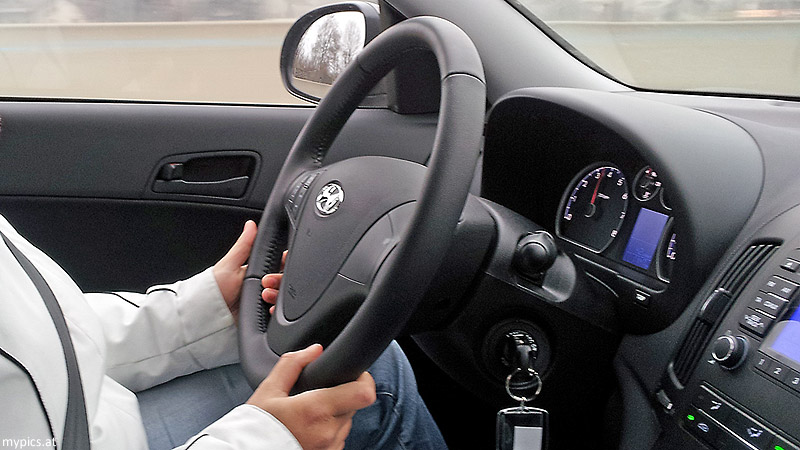
Anyone who wants to drive a motor vehicle for which a licence is legally required must have the appropriate driving entitlement.
The required category depends on the vehicle.
For example:
The German licensing system therefore does not use one universal licence for every vehicle.
If you are primarily interested in driving a car, our Führerschein Klasse B guide provides useful additional information.
Germany uses a range of harmonised European driving-licence categories.
Category AM covers certain mopeds and light vehicles.
A1 is a motorcycle category for specified light motorcycles.
A2 applies to motorcycles within specified power limits.
Category A covers motorcycles subject to the relevant requirements.
Category B is the standard car driving licence and is the category most frequently sought by private drivers.
BE covers certain combinations of a Category B vehicle and trailer.
C covers certain heavy motor vehicles.
CE covers certain combinations involving heavy vehicles and trailers.
D covers buses.
DE covers certain bus-and-trailer combinations.
German law sets out the full classification and associated entitlements in the Fahrerlaubnis-Verordnung.
If you do not already have a recognised driving licence from another country, obtaining a German driving licence generally involves several stages.
The exact process depends on the licence category and your personal circumstances, but the process for a typical Category B applicant can include:
German law requires applicants for a driving entitlement to demonstrate their competence through the applicable examination process.
For more information, visit our driving licence guide.
The exact requirements depend on the licence category, but applicants generally need to satisfy requirements relating to:
The German regulations contain specific provisions covering ordinary residence, minimum age, fitness and eyesight requirements.
This means that you should determine your eligibility before beginning the application process.
The minimum age depends on the driving category.
For example, the requirements for a passenger-car licence are different from those for motorcycles, heavy vehicles and buses.
There are also special programmes and exceptions that can affect when a person can begin driving under supervision or obtain particular categories.
Because age requirements can vary according to the licence category, applicants should verify the rules applicable to their specific situation rather than assuming that one minimum age applies to every German licence.
The theory test is a major part of the German licensing process.
Under the German Driving Licence Regulation, applicants must demonstrate sufficient knowledge of relevant traffic laws, safe driving behaviour, environmentally conscious and energy-efficient driving, and fundamental technical and mechanical principles relevant to road safety.
The theory examination is based on questions covering the prescribed subject areas.
Important topics include:
Good preparation is therefore essential.
If you are preparing for the examination, see our resources on driving licence theory and driving licence tests.
Yes, German regulations allow the theory examination to be taken in several languages other than German.
The prescribed languages include:
The exact examination arrangements are governed by the applicable examination provisions.
This is particularly useful for international residents who are not yet confident enough in German to take a technical examination in the language.
Passing the theory examination is only one part of obtaining a German driving licence.
The practical driving test assesses whether the applicant can safely operate the vehicle in real traffic.
German law requires applicants to demonstrate the technical knowledge and practical ability necessary to operate the relevant vehicle safely and appropriately.
During practical training, learners typically develop skills such as:
The goal is not simply to control a vehicle but to demonstrate safe, responsible and predictable driving.
There is no single timeframe that applies to every applicant.
The duration depends on factors such as:
Some learners progress relatively quickly, while others require more practical lessons before they are ready for the examination.
The safest approach is to focus on becoming a competent driver rather than attempting to complete the process as quickly as possible.
One of the most frequently searched questions is: How much does a driving licence cost in Germany?
There is no single nationwide price because the total cost depends heavily on the individual learner.
Expenses can include:
The largest variable is usually the number of driving lessons required.
For a detailed discussion, visit our driving licence costs guide.
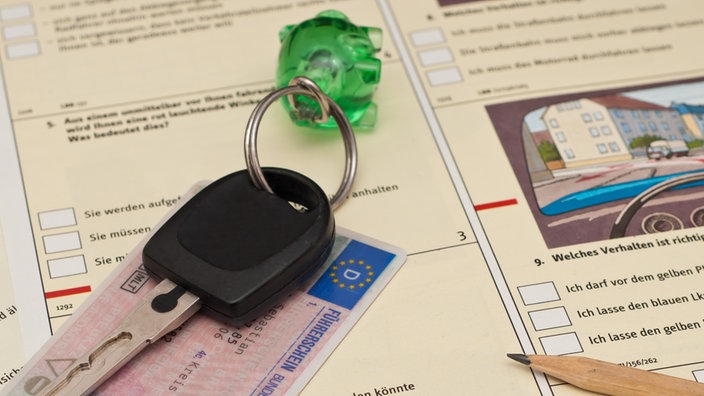
Many people search for a cheap driving licence Germany option.
While comparing driving schools can help reduce unnecessary costs, it is important not to choose a provider based solely on the cheapest advertised price.
A driving school with a low initial package price may ultimately cost more if:
A better strategy is to compare the total expected cost, not just the advertised registration fee.
You can also read our guide to driving licence prices for more information.
A useful distinction must be made between the driving entitlement and the physical licence document.
Under German law, Category AM, A1, A2, A, B, BE, L and T driving entitlements are issued without a fixed expiry date, while categories such as C, CE, D and DE are subject to maximum validity periods and may require renewal.
The physical driving licence card issued from 19 January 2013 has a validity period of 15 years. This administrative expiry does not, for ordinary categories, mean that the underlying driving entitlement automatically expires.
When the card expires, it generally needs to be renewed.
For more information, read our driving licence validity guide.
Germany has a large international population, and many residents already hold a driving licence issued by another country.
The rules depend heavily on where the original licence was issued.
There is an important difference between:
Valid EU/EEA licences are generally recognised in Germany within the applicable legal framework.
Different rules apply, and recognition may be limited or may require an exchange, examination or other procedure.
German regulations contain specific provisions for EU and EEA driving licences.
If you already hold a foreign licence, do not automatically assume that you need to start the German licensing process from the beginning.
Instead, determine whether your existing licence can be recognised or exchanged.
Read our guide to foreign driving licences in Germany.
If you hold a valid driving licence issued by an EU or EEA country, Germany generally recognises the licence within the scope of the applicable driving entitlement.
This is one of the major advantages of the European driving-licence framework.
For example, someone who moves to Germany with a valid French, Spanish, Italian, Dutch or Austrian driving licence generally does not need to obtain a completely new German licence simply because they have moved.
However, specific exceptions can apply, particularly where the licence is provisional, restricted, invalid, or affected by previous licensing decisions.
For more information, see our EU driving licence guide.
If you hold a foreign licence from outside the EU/EEA, you may need to exchange it for a German driving licence after establishing residence in Germany.
The exact procedure depends on the country that issued the licence.
Depending on the applicable arrangements, you may need:
Some countries have special arrangements that make conversion easier, while others may require additional examinations.
Read our detailed guide on how to exchange a foreign driving licence.
This depends entirely on the country that issued the original licence and the applicable German rules.
Some foreign driving licences can be exchanged with limited or no testing requirements, while other licences may require one or both German examinations.
Therefore, anyone searching for driving licence Germany without test should first identify:
Do not assume that every foreign licence can be converted automatically.
For related information, visit our guide to driving licence exchange.
International students should pay particular attention to their residence status and the rules applicable to their existing licence.
If you already hold an EU/EEA driving licence, recognition is generally straightforward within the applicable legal framework.
If you hold a licence from outside the EU/EEA, different rules may apply.
Students should also distinguish between:
Because residence can affect licensing requirements, it is worth checking the rules applicable to your individual circumstances before relying on a foreign licence for an extended period.
Residence is an important concept in European driving-licence law.
In general, European rules use the concept of normal residence, commonly associated with living in a country for at least 185 days per year because of personal or occupational connections.
This prevents applicants from simply choosing a country where they do not actually reside to obtain a driving licence.
For anyone moving to Germany, this can be particularly important when determining whether to apply for a German licence or whether an existing foreign licence can continue to be used.
If your German driving licence is lost or stolen, you should report the loss and apply for a replacement through the appropriate authority.
You may need to provide:
If the lost licence was issued by another country, the replacement process can be different.
Read our lost driving licence guide for more information.
A German driving licence should not be confused with an International Driving Permit (IDP).
An IDP is generally a supplementary document used in connection with a valid national driving licence when driving in certain foreign countries.
It does not replace your German driving licence.
German regulations provide for the issuance of international driving permits and specify different validity periods depending on the applicable international convention.
If you are planning to drive outside Europe, check the requirements of your destination country before travelling.
For more information, visit our international driving licence guide.
If you are working toward your first German driving licence, preparation is essential.
Do not rely on last-minute memorisation. Work through the questions regularly and understand why an answer is correct.
Road signs are fundamental to safe driving and appear throughout the theory and practical training.
A good driver needs to anticipate potential dangers rather than react only after they occur.
The number of lessons required varies from person to person. Do not rush to the practical examination before you are ready.
Your instructor can identify weaknesses that may not be obvious to you.
Parking, reversing, turning and complex traffic situations should become familiar before the test.
Nervousness can affect decision-making. Preparation and repeated practice can improve confidence.
For additional preparation resources, visit our driving licence test section.
Failing a driving examination does not mean you can never obtain a German driving licence.
German regulations provide for repeat examinations. A failed examination cannot normally be repeated immediately; the law provides for a reasonable waiting period, generally at least two weeks, although longer periods can apply in certain circumstances.
If you fail, the most useful response is to identify the specific weaknesses that caused the failure and address them before taking the next examination.
This is an important point for applicants.
Under German regulations, the practical examination must generally be completed within 12 months after passing the theory examination. Otherwise, the theory examination loses its validity.
The regulations also contain a two-year limit concerning the period between completion of the examination process and issuance of the driving licence under the circumstances specified by the law.
This means that applicants should plan their training and examinations rather than allowing long periods of inactivity.
The cheapest advertised package is not necessarily the cheapest overall option.
The theory examination tests knowledge of road safety, laws, hazards and vehicle-related principles.
Being eligible to take an examination does not necessarily mean you are ready to pass it.
If you already have a foreign driving licence, investigate recognition or exchange before applying for a completely new licence.
The physical German driving licence card has a 15-year validity period for licences issued under the current system.
The physical card and the legal driving entitlement are related but not identical concepts.
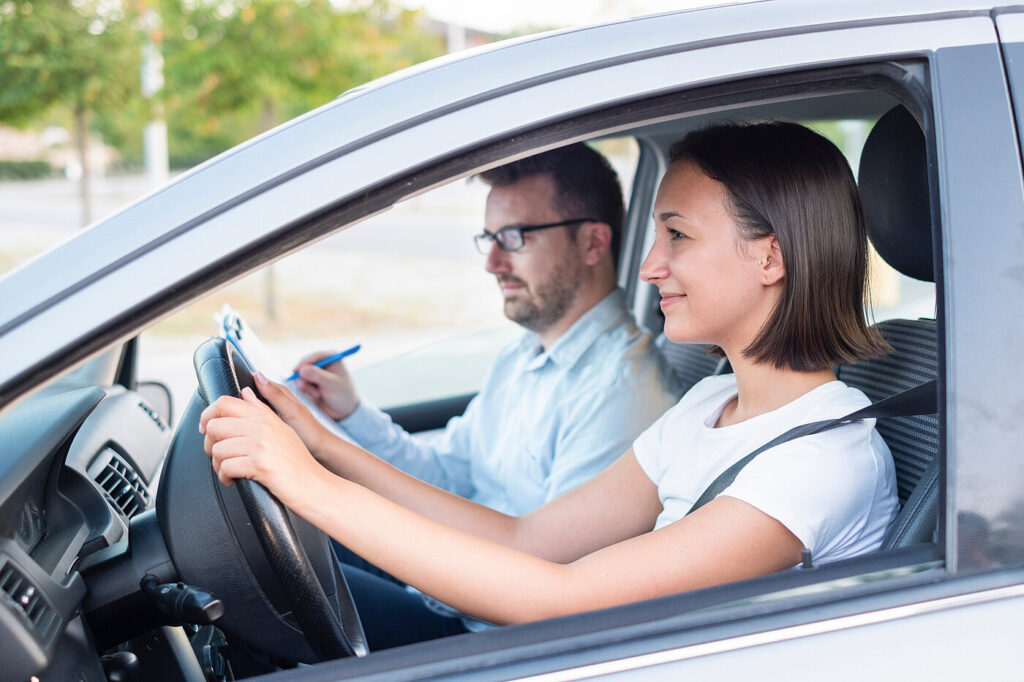
You generally need to meet the relevant eligibility requirements, complete the required training, pass the theory examination and pass the practical examination. The exact process depends on the licence category.
There is no single fixed nationwide total. The final cost depends on driving-school fees, the number of lessons, examinations and other administrative expenses.
Yes. Foreign residents who meet the applicable German requirements can apply for a German driving licence.
Generally yes, provided the EU/EEA licence is valid and the applicable recognition requirements are satisfied.
It depends on where the licence was issued and your circumstances. EU/EEA licences and licences from non-EU countries are subject to different rules.
The underlying entitlement for several ordinary categories, including B, is issued without a fixed term, while the physical licence card has an administrative validity period. Categories such as C and D are subject to specific validity periods.
Yes. English is among the foreign languages permitted for the German theory examination.
For a typical first-time Category B licence, yes. German law generally requires applicants to demonstrate competence through theory and practical examinations.
For ordinary passenger cars, Category B is the standard category.
Obtaining a driving licence Germany is a structured process designed to ensure that motorists understand traffic regulations and can operate vehicles safely.
For first-time applicants, the journey normally involves choosing a driving school, completing the required preparation, passing the theory examination and demonstrating practical competence behind the wheel. German regulations specifically require applicants to demonstrate the necessary competence through the applicable examinations.
For people who already hold a foreign licence, the situation can be considerably different. EU/EEA licences generally benefit from recognition, while non-EU licences may be subject to specific conversion rules.
The most important thing is to determine which rules apply to your licence, vehicle category and residence situation before beginning the process.
For more German driving-licence information, explore FahrenExperten and related resources on Führerschein Klasse B, driving licence costs, driving licence examinations, foreign driving licences, EU driving licences and driving licence exchange.
Driving Licence in Germany: Everything You Need to Know A driving licence is an important...
Weiterlesen
Rijbewijs kosten in Duitsland: een compleet overzicht Wie in Duitsland zijn rijbewijs wil halen, vraagt...
Weiterlesen